Perusta sinäkin oma Blogaaja.fi blogi ilmaiseksi >>
Lainaa.com

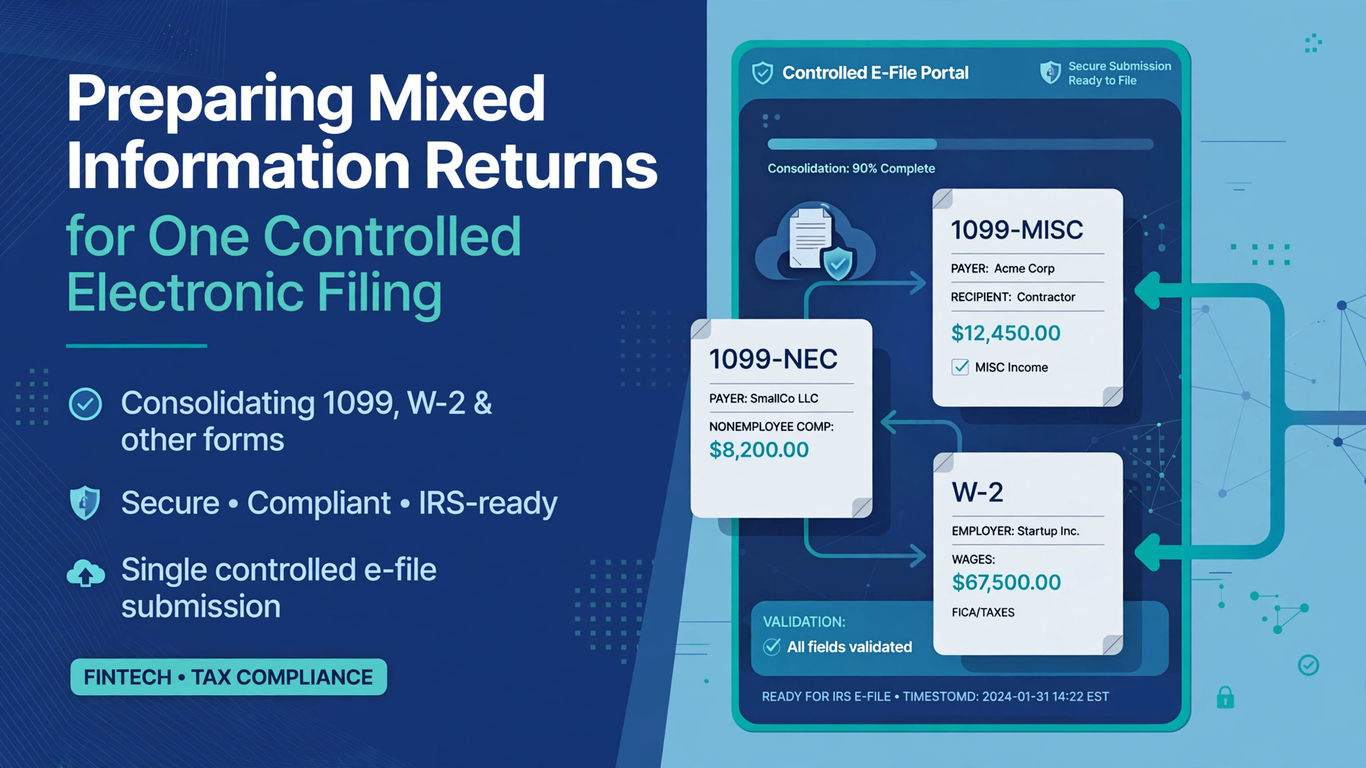
Preparing Mixed Information Returns for One Controlled Electronic Filing

Introduction 

Every filing season, a regional agricultural cooperative has to report payments to mechanics, landlords, grant recipients, and members earning interest. Tech Leads IT shows through Oracle Fusion Financials Training how one clear control chain keeps these four groups from blurring together. The team classifies activity, checks recipient data, reconciles each form population, and keeps the acknowledgement.

In Oracle Fusion Financials Online Training, learners see a tax lead freeze the extract, track late changes, and route unclear items to tax review. A vendor name never settles reportability. An Oracle Fusion Financials Course teaches discipline, so every return and exclusion is explainable.  

Build Four Defensible Populations With Oracle Fusion Financials Training

Contractor compensation comes first. The payables analyst reviews eligible payments net of voids and confirmed corrections, then checks recipient identifiers and reporting classifications. The rental analyst separates property rent from reimbursed utilities wherever policy calls for different treatment. Grant specialists distinguish reportable awards from payments that fall outside the selected reporting rule, and they write down the basis instead of trusting the word grant in a description. The treasury analyst examines interest calculations and account ownership for the retained balances. Each group delivers a population total, a return count, a withholding total, and an exception list. These control figures are more useful than a single grand total because they expose a missing category or a duplicate source before payment types get blended together in the transmission process.

Recipient data gets its own quality review. The cooperative checks taxpayer names and identifiers against approved records, confirms current addresses through governed maintenance, and flags records with missing or inconsistent classifications. Nobody overwrites master data inside a filing worksheet just to make an error vanish. Corrections follow the normal authorization path, with effective dates and supporting evidence. Duplicate detection looks at taxpayer identifier, recipient account, payment source, and legal entity, because one person may legitimately hold several supplier records. Potential duplicates are investigated before anything is consolidated. Access stays restricted because the working population holds sensitive tax information, and reviewers use masked summaries whenever full identifiers are not needed for the task.

This is the part many beginners underestimate. Population building is not a data-pull exercise. Each group answers to a different owner, a different policy, and a different kind of evidence, and the filing process has to respect those differences before any numbers are combined.

Reconcile Before Creating the Submission: An Oracle Fusion Financials Online Training Lesson

The filing team reconciles source payments to reportable amounts in a bridge that another accountant can reproduce. It starts with eligible ledger activity, subtracts voids and excluded transactions, adds approved adjustments, and arrives at a total for each form type. Withholding balances are reconciled on their own. Return counts are compared with unique recipients and investigated wherever one recipient legitimately receives more than one form. The controller then samples high-value records, zero or negative anomalies, round-dollar grants, address changes, and amounts sitting just above or below a threshold. She also confirms that the tax year and filing legal entity are correct. Creating the electronic file stays blocked until the bridge, the exception dispositions, and the sample review all carry named approvals.

The release guidance Electronic Filing of Forms 1099-MISC, 1099-NEC, 1099-G, and 1099-INT using Information Returns Intake System states that these information-return types can be filed electronically in high volumes through the IRS taxpayer portal. That capability gives the cooperative a supported route for the mixed population, but it does not decide whether a particular payment is reportable, and it does not certify recipient data. The team must still apply current filing instructions, organizational tax policy, and sound professional judgment. It should also confirm the feature’s enablement, credentials, environment, and operational prerequisites well before deadline week. A new electronic path changes the mechanics of delivery. It does not remove the responsibilities for classification, balancing, security, or approval.

A practical way to test the bridge is to hand it to someone who did not build it. If that reviewer can rebuild each form total from the source ledger activity, using only the documented steps, the reconciliation is sound. If the reviewer has to ask the preparer what a line means, the bridge is not finished, and the file should not be created yet.

Treat Transmission as a Controlled Event

Once approval is in place, an authorized operator creates the filing output from the frozen population. A second person compares its return counts and monetary control totals with the approved bridge before release. File identity, creation time, tax year, transmitter context, and population version are recorded without exposing sensitive content in an open log. The operator uses the authorized portal route and follows the cooperative’s credential and multifactor controls. Files never travel through personal email or consumer storage. A successful upload action is not the same as acceptance. The team records the submission reference and waits for the proper acknowledgment, keeping the exact approved population that produced the transmitted file. Any retry must be easy to tell apart from the original attempt.

Acknowledgment handling has named owners and deadlines. If the submission is accepted, the reviewer ties the acknowledgment to the file identity, counts, totals, and approval package. If records are rejected, the team isolates those recipients, identifies the stated reason, and corrects only the defects it can support. It does not resend the entire population blindly, and it does not edit values simply to satisfy a format check. A corrected submission receives a new version and its own approval whenever the change affects reportable data. The log shows which returns were accepted, rejected, corrected, replaced, or still pending, which prevents the same recipient from being filed twice. Material interpretation issues go back to the tax lead rather than being treated as technical transmission errors.

Think of the acknowledgment as the final receipt for the whole project. Until it arrives and has been matched to the approved package, the work is still open, no matter how smooth the upload looks on screen.

Keep Recipient Delivery and Corrections Connected

The cooperative coordinates recipient statements with the approved filing population and the applicable deadlines. Returned mail, corrected addresses, and recipient questions enter a case process linked to the original return. When a mechanic disputes the reported amount, staff compare payment details, voids, withholding, and classification evidence before promising a correction. A changed address does not automatically change the filed amount, and a payment disagreement is not solved by issuing a duplicate statement. If a formal correction is required, the team documents the original value, the corrected value, the reason, the authorization, the filing event, and the recipient communication. This linked history protects both the recipient and the cooperative when a question arrives months after the filing project has closed. Handled this way, a late question becomes a quick lookup rather than a frantic scramble.

Protect Sensitive Data and Prove Who Approved What

Tax filing work concentrates sensitive information in one place, so the cooperative treats security as part of the process rather than an afterthought. Role-based access limits who can see full taxpayer identifiers, and most reviewers work from masked summaries. Preparers cannot approve their own populations, and the person who creates the file is not the person who releases it. Every approval is tied to a named individual, a date, and the version of the population that person actually reviewed. If the population changes after approval, the approval does not carry over automatically. It has to be earned again.

Retention matters just as much. The cooperative keeps the bridge, exception list, sample review, approval record, file identity, and acknowledgment together in one package. Months later, an auditor or a recipient’s question can be answered from that package without anyone reconstructing events from memory or searching through inboxes. Good records are not paperwork for its own sake. They are what turns a one-time filing effort into something the organization can repeat next year with less stress and fewer surprises.

Conclusion: Taking an Oracle Fusion Financials Course Into Real Filing Work

A mixed information-return filing stays manageable when every form population can be traced from the source payment to the final acknowledgment. Classify first, extract second, approve data corrections properly, and bridge control totals to each form type before anyone transmits. Rejected records and acknowledgments are outcomes to track, not things to assume after an upload.

Oracle Fusion Financials Training, Oracle Fusion Financials Online Training, or an Oracle Fusion Financials Course can all teach the same lesson: software handles mechanics, people own judgment. Define the population, support exclusions, reconcile counts and money, protect data, approve the exact output, and prove what was accepted. 
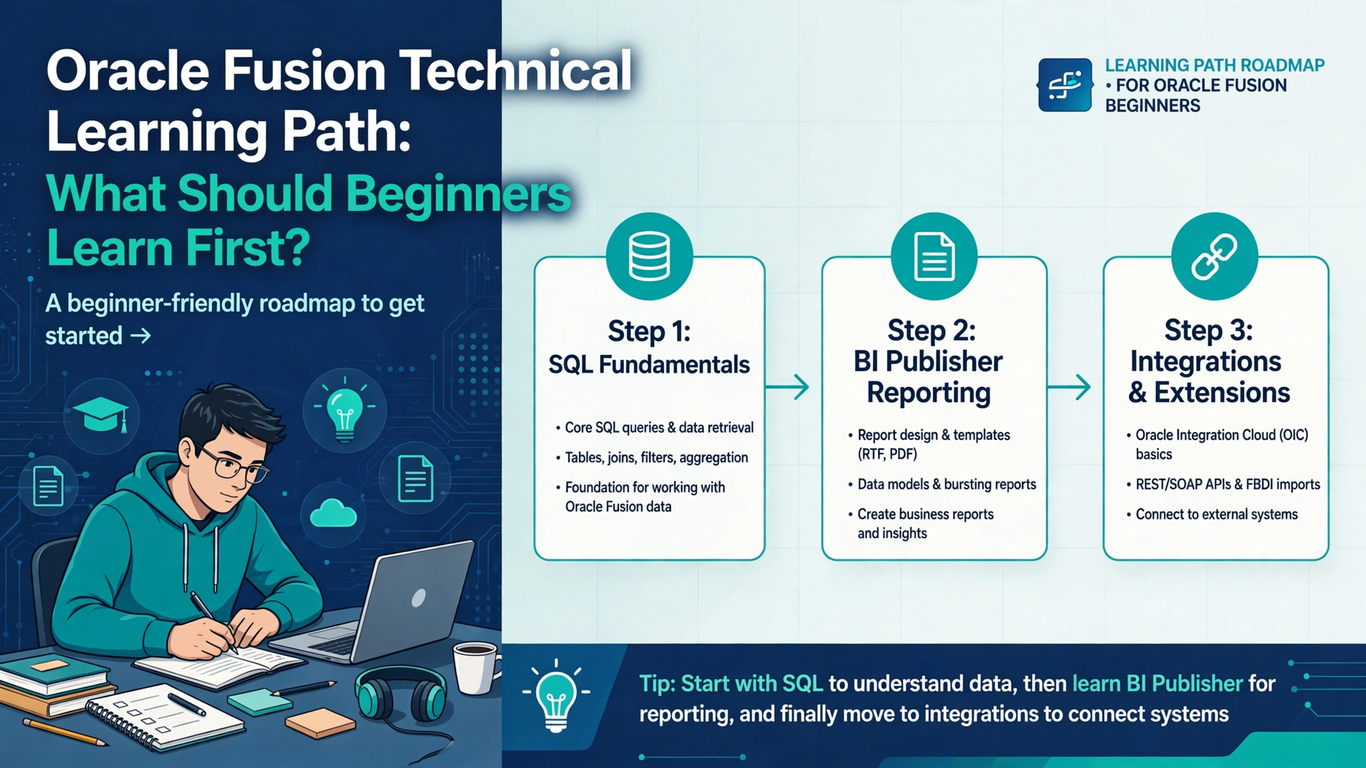
Oracle Fusion Technical Learning Path: What Should Beginners Learn First?

Introduction 

Starting a career in Oracle Fusion can feel like standing in front of a huge map with no ”you are here” marker. Many freshers join a course at Soft Online Training and then ask the same question: where do I actually begin? The answer matters, because the order in which you learn things decides how fast the rest falls into place. If you are searching for Oracle Fusion Technical Training in Hyderabad, this guide lays out a sensible path, one step at a time.

Start With the Big Picture Before Any Tools

Before you open a single tool, spend a few days understanding what Oracle Fusion Cloud Applications are. Fusion is a suite of cloud-based business applications covering finance, HR, supply chain, and procurement. Companies use it to run daily operations, and technical consultants are the people who make it fit their needs.

Learn the basic modules and what each one does. You do not need to be a finance or HR expert, but you should know that Payables handles supplier invoices, Receivables handles customer billing, and HCM covers employees and payroll. This context helps you later, when someone asks you to build a report or load data and you need to understand what that data actually means.

Good Oracle Fusion Technical Training in Hyderabad programs usually begin here too, because a technical consultant who does not understand the business side ends up writing things that technically work but are useless.

Learn SQL First: It Is the Foundation of Everything

If there is one skill to pick up before anything else, it is SQL. Almost every technical task in Fusion touches data. Reports, extracts, data validation, and troubleshooting all depend on your ability to read and query tables.

Focus on the basics first:

  • SELECT statements with WHERE conditions
  • Joins between two or more tables
  • GROUP BY and aggregate functions like SUM and COUNT
  • Subqueries and simple analytic functions

Do not rush into complicated tuning. Write plenty of small queries and get comfortable with how tables relate to each other. Many beginners skip this because it looks boring compared with flashy tools, and they pay for it later. A solid SQL base makes every other topic easier, which is why it sits at the start of any serious Oracle Fusion Technical Training in Hyderabad syllabus.

Pick Up PL/SQL After You Are Comfortable With SQL

Once queries feel natural, move on to PL/SQL. This is Oracle’s procedural extension to SQL, and it lets you write logic: loops, conditions, procedures, functions, and packages.

You will not write huge programs on day one. Start with anonymous blocks, then learn cursors, exceptions, and stored procedures. Understand how to handle errors gracefully, because real projects rarely deliver clean data.

PL/SQL matters in Fusion for validation logic, custom processing, and working with the database layer where it is accessible. Even when a project leans on cloud-native tools, the logical thinking you build here carries over directly.

Understand Reporting Tools: OTBI, BI Publisher, and BICC

Reporting is where most freshers land their first real project tasks, so it deserves early attention. Three tools come up again and again:

  • OTBI (Oracle Transactional Business Intelligence): for quick, interactive, self-service analysis.
  • BI Publisher: for pixel-perfect, formatted documents such as invoices, statements, and letters.
  • BICC (BI Cloud Connector): for extracting large volumes of data out of Fusion for use elsewhere.

Learn what each is meant for before you learn how to build in it. Choosing the wrong tool is a common beginner mistake. A good Oracle Fusion Technical Training in Hyderabad course will let you build a few reports in each so the differences stay in your head.

Learn Data Loading: FBDI and HCM Data Loader

Once you can query and report on data, you need to know how data gets in. Two methods matter most for beginners.

FBDI (File Based Data Import) uses spreadsheet templates to upload bulk data into areas like finance and procurement. HCM Data Loader, often called HDL, does a similar job for HR data using structured files.

Concentrate on understanding the flow: prepare the file, upload it, run the import process, check errors, and correct them. That loop is the heart of data migration work, and it is something nearly every Fusion project needs. Practice reading error logs carefully. Much of a technical consultant’s daily life is figuring out why a file failed.

Get Familiar With Integrations and Web Services

After the basics, explore how Fusion talks to other systems. Start with REST and SOAP web services. Know the difference, understand what a request and response look like, and try calling a simple REST endpoint with a tool like Postman.

Then get an introduction to Oracle Integration Cloud, usually called OIC. It connects Fusion with other applications through prebuilt adapters and visual flows. You do not need to master it immediately. Just understand where it fits and build one or two simple integrations.

This is the area where many learners feel nervous, but if your SQL and data loading foundations are strong, integrations will make far more sense than they would have at the start.

Explore Fast Formula, Extracts, and Security Basics

Once the core is in place, add the supporting topics. Fast Formula is used mainly in HCM for payroll calculations, validations, and eligibility rules. HCM Extracts help produce outbound data files. Security basics, meaning roles, privileges, and data access, help you understand why a user can or cannot see something.

These topics become much easier when you already know the data model and have worked on a few real tasks. That is why a thoughtful Oracle Fusion Technical Training in Hyderabad path leaves them for the middle or later stage rather than the first week. 

Conclusion

The best learning path is not the fastest one. It is the one that builds each skill on top of the last. Start with the business context, get strong at SQL, add PL/SQL, then move through reporting, data loading, integrations, and the specialized topics. Practice regularly, build small projects, and read error messages instead of fearing them.

If you want guided support with hands-on practice and a clear roadmap, Soft Online Training can help you work through this sequence step by step. Choosing the right Oracle Fusion Technical Training in Hyderabad is really about finding a path that teaches you the fundamentals properly before the advanced material. Take it one stage at a time, and you will be project-ready sooner than you expect. 

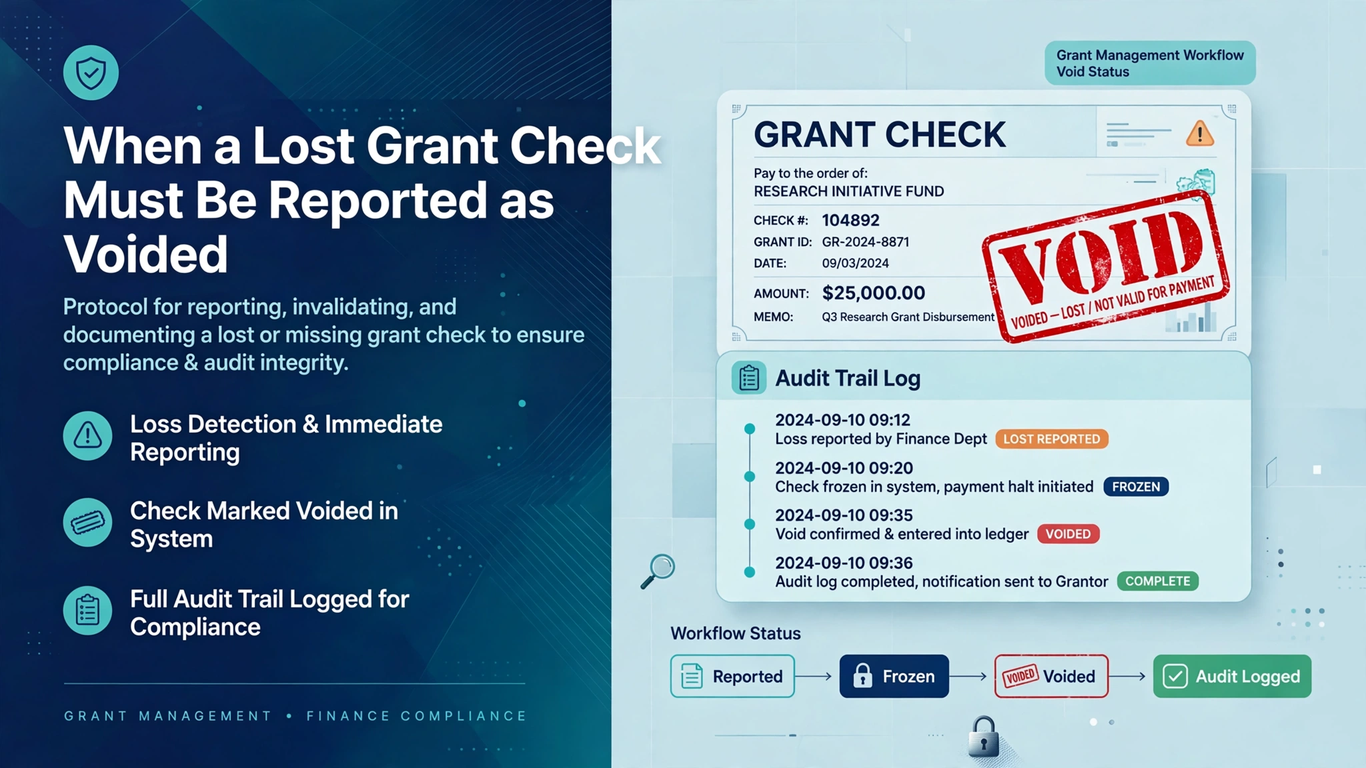
When a Lost Grant Check Must Be Reported as Voided

Introduction

A foundation mails a 42,500 grant check to a small theater, and then the courier says the envelope was lost. Soft Online Training uses this kind of case in Oracle Fusion Financials Training in Hyderabad to show how real payment problems unfold. The theater has no money, the check hasn’t been cleared, and payroll is closed.

Everyone wants a new check immediately, but the foundation has some work to do first. Voiding the payment in the system and telling the bank about that void are related jobs, not the same one. Mix them up, and a single lost check can easily become two paid checks.  

Oracle Fusion Financials Training in Hyderabad Begins With Getting the Facts Straight

The payment specialist starts by opening an incident record. She writes down the check number, amount, payee, issue date, payment file reference, mailing proof, the courier case number, and the time the loss was reported. Then she checks the bank statement and the payment status to see whether anyone has tried to cash the check. She also contacts the theater using a number the foundation already has on file, not one from the courier’s email. A courier saying an envelope is lost doesn’t mean nobody can deposit it. Lost envelopes turn up.

Next, the controller checks policy to see what’s required. It could be a stop instruction, a system void, a positive-pay void report, or something specific to that bank. Different people handle different pieces: one prepares the void, someone with authority approves it, and a third person reviews the replacement. Account details and signatures stay out of emails and free-text notes.

Confirm the Void Before You Build the File

Before anything goes to the bank, the specialist confirms the original payment can truly be voided and understands what that does to the books. She checks the payment file number and the positive-pay profile for the right bank account, and the status should say voided payments, not issued checks. She also checks for a replacement already queued, a returned check, or an earlier void file. Duplicate requests leave the bank with contradictory instructions. If anything can’t be identified confidently, she stops.

Oracle’s ISO Positive Pay File for Voided Checks lets users manually run the creation process, choose the profile, enter the payment file number, then transmit it. It doesn’t support stopped payments, and non-ISO formats behave as before.

Proving the Bank Got It: What Oracle Fusion Financials Training in Hyderabad Learners Should Remember

For the lost grant check, the preparer picks the bank-approved ISO profile and types in the original payment file number exactly as recorded. A second person compares the check number, amount, payee, account, void status, and file reference against the approved incident. The message identifier is saved along with the run time and process result, which makes it easy to tell this run apart from any retry later.

Then comes the part people tend to skip: confirming the outbound route belongs to the right payment system account and checking the transmission status. A file sitting in a folder on the application side says nothing about whether the bank has it. If transmission fails, the team keeps the original file and the error details. Any retry gets its own identity and follows the documented recovery steps, not a quick email with the file attached.

Positive pay also isn’t a catch-all. If policy or the bank agreement calls for a stop-payment request, the controller handles that separately and records the confirmation. Nobody should describe a stop instruction as something the void file did. And a ”sent” status doesn’t mean the check can never clear, since banks have cutoff times and their own exception handling. So the foundation waits for the acknowledgment and looks at account activity before approving a replacement. If the deadline forces a release earlier, the record should say who accepted the leftover duplicate risk, what safeguards are in place, and when both checks will be watched. ”We’re in a hurry” isn’t an approval.

Send the Replacement Without Rewriting History

Once the void and the bank reporting meet the evidence level set by policy, the grants officer confirms the theater’s payment details from master data, not from an urgent reply sitting in someone’s inbox. The new payment gets its own identity, points back to the incident, and doesn’t reuse the old check number. Approval confirms the grant is still owed, nothing was cancelled or changed, and the original hasn’t cleared.

The note to the theater is simple. A replacement is on its way, and if the first envelope ever shows up, let us know and please don’t deposit it. Internal bank references stay out of it. Quietly netting the two payments would bury the control event and make reconciliation harder later.

The watching doesn’t stop once the new check goes out. The specialist keeps an eye on bank activity for both checks, makes sure the replacement clears once, and looks for any attempt to present the voided one. At month end, someone independently pulls the whole story together: incident approval, void, process run, message identifier, transmission proof, acknowledgment, replacement approval, and what landed on the statement. If the original does show up, the team goes straight to the bank’s exception process and tells the controller. Nobody edits the record to make it look neater. The reviewer might also ask whether courier or delivery choices should change, but that call depends on what the payee can accept and what policy says, not on one bad week.

Conclusion: Lessons for Oracle Fusion Financials Training in Hyderabad Learners

A lost check feels far less scary when every control is handled as its own step. Confirm the check wasn’t received or presented, approve the void, send the bank file with the right profile and payment reference, verify the transmission, and handle any stop-payment request separately. Then an independently approved replacement goes out under a new identity, while both checks stay visible until the statement settles things.

These habits matter well beyond grants, and Oracle Fusion Financials Training in Hyderabad learners can use them daily. Check the payment’s true state, use the supported reporting method, and prove what the bank received before claiming protection. 

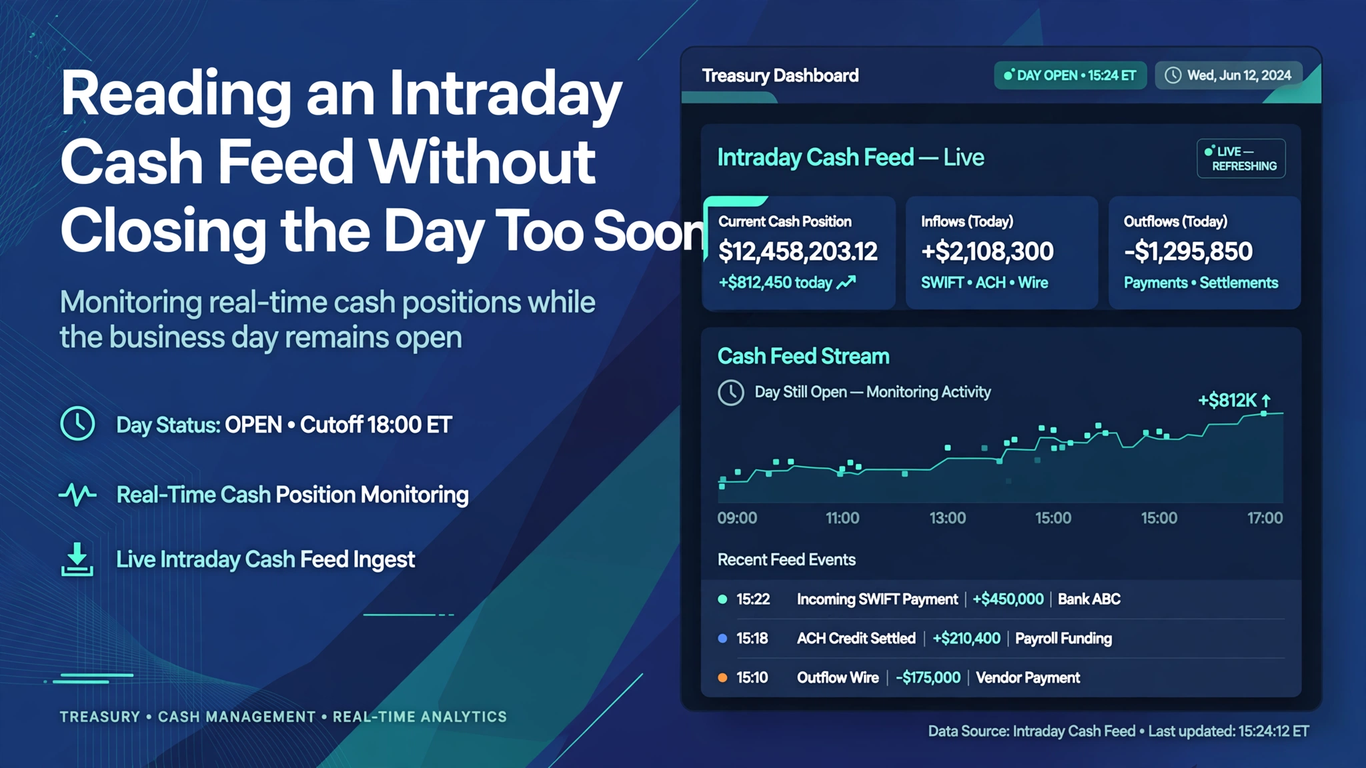
Reading an Intraday Cash Feed Without Closing the Day Too Soon

Introduction 

At 11:20 on a Friday, a restaurant group’s cash manager sees the operating account dip below its buffer. At Tech Leads IT, we use this scenario in Oracle Cloud Financials Online Training to show why timing matters. Payroll and produce payments posted, but two card settlements haven’t arrived. Should she move reserve cash now or wait?

Oracle Cloud Financials Training Online reminds us that an intraday feed is fresher, yet it is neither a finished statement nor a reconciliation. Treat it as evidence and timing, and keep three things apart: what the bank reported, what is forecast, and what’s verified. 

Label Every Number Before You Act

She starts by noting the observation time, the bank account, the currency, the statement sequence, and the opening balance she is working from. Then she lists each payroll debit and supplier payment that is visible and compares the expected card receipts with the processor’s settlement notices.

That comparison matters because a missing receipt can mean different things. It may simply not have reached the bank yet. It may belong to a later incremental file. Or it may have failed somewhere upstream. What she does not do is add the forecast receipt to the reported balance as if the money had cleared.

Instead, the team keeps three columns: reported activity, confirmed but not yet reported activity, and uncertain forecast. Each amount in the funding decision can then be traced to the evidence behind it. Another reviewer can pick up the sheet and understand the position at a glance, and nobody pretends a moving feed is more precise than it is.

Writing this down feels slow when the balance is red and the clock is running. In practice it takes a few minutes, and it saves a much longer argument later about why the team acted the way it did.

What Oracle Cloud Financials Online Training Teaches About Incremental Files

Intraday activity only makes sense when you read it in order. If the bank sends incremental files, the noon file may hold just the movements added since the previous transmission, not a restatement of everything since morning. So the analyst records each file identifier and import time, confirms that processing finished, and checks that the new activity follows logically from the prior position. A short note beside each file, saying what it contained and whether it loaded cleanly, costs almost nothing.

She doesn’t add a line twice just because it still appears in a consolidated inquiry. She also doesn’t assume a missing file means nothing happened. A gap, a delayed import, or a rejected file becomes an operational exception with a named owner. This guards against two opposite mistakes: double counting an earlier debit, and treating an incomplete series as the bank’s final word. Either one can produce a liquidity recommendation that sounds confident and is wrong.

Oracle’s guidance on intraday bank statement processing under Embedded Banking Services describes how incremental CAMT.052 statements from supported banking partners can be retrieved and imported through the day, giving current transaction and balance information. It is also clear about the limit: automatic reconciliation is not started for these intraday statements, and prior-day statements remain the basis for final reconciliation.

For the restaurant group, that means the feed can make the funding call faster and better informed, but it cannot prove every expected receipt and payment has been matched. The team should confirm that files loaded successfully, keep the sequence context, and save final clearing conclusions for the prior-day process. Availability also depends on having the embedded connectivity provisioned and incremental intraday reporting arranged with the participating bank, so the workflow should reflect the connections that are actually switched on.

Keep the Funding Decision Proportionate and Reversible

At noon the reported shortfall is 180,000 units. Confirmed card settlements total 140,000, and uncertain receipts could add another 70,000. Funding the whole gap automatically would be wasteful, and waiting just because expected receipts exceed the shortfall would be reckless.

So the manager goes back to treasury policy. Protect the minimum operating buffer until the next reliable review point, allow for payment cutoffs, and pick a transfer amount that doesn’t create a new shortage in the reserve account. A 90,000 transfer could be reasonable if it covers the verified exposure plus a defined cushion until the next file arrives. The case record should hold the calculation and the approval, not just a screenshot of a balance that has since changed. If someone asks later why 90,000 and not 180,000, the note should answer without anyone needing to remember the morning. And if the next increment brings in the expected receipts, the excess cash can be returned through the ordinary process instead of being buried under an unsupported same-day reversal. 

Before anything moves, a second person checks the source and destination accounts, currency, amount, payment route, and authority limits. Seeing balances sooner doesn’t relax beneficiary verification or segregation of duties. The reviewer also rules out a duplicated imported line, an opening-balance mismatch, or a file sequence failure as the cause of the apparent deficit. If the movement can’t be explained, the decision goes down the documented exception path, not a chat summary. Sensitive account data stays in controlled records, and the decision note uses masked references and internal identifiers.

These controls keep the response quick without letting an informational feed turn into an unreviewed payment instruction. They also make plain that a recommendation built on current evidence can change when a later increment brings new facts.

How Oracle Cloud Financials Training Online Prepares You for Final Reconciliation

Through the afternoon, each new import should refresh the position from the movements actually reported, without overwriting the earlier decision record. The manager compares new lines with the expected card settlements, flags what’s unmatched, and updates the residual forecast. If one settlement lands for a different amount, she looks into merchant fees, reversals, timing, or a bad assumption rather than forcing the forecast to match the bank.

A timestamped trail should show what was known when the transfer was approved and what arrived later. That chronology protects staff from hindsight judgments, and it shows whether the forecasting process needs work. It also helps the treasury tell a bank-connectivity problem from a genuine cash-flow variance. In a single balance snapshot the two can look identical, yet they need different owners and different fixes.

The next business day, the team imports the prior-day statement and runs its normal reconciliation. Payroll, supplier payments, card settlements, and the reserve transfer all get matched, and anything left open gets investigated. The closing balance should be confirmed independently, not taken from yesterday’s last intraday view.

Then the manager compares the outcome with her funding rationale. Was the amount enough? Did the receipts arrive in the predicted window? Did any sequence or import issue skew the decision? Lessons go where they belong: forecast assumptions, connectivity monitoring, or approval procedures. And the original estimate stays on file even if the final statement differs, because keeping both is evidence of decision quality and supports a more realistic buffer the next time the banking day runs short.

Conclusion

Intraday bank activity is most useful when a team is honest about its limits. Incremental files can sharpen the same-day cash position, show a shortfall as it forms, and support a sensible transfer before the final statement lands. They don’t complete automatic reconciliation, and they can’t promise every expected item is there.

Tech Leads IT builds this habit through Oracle Cloud Financials Online Training and Oracle Cloud Financials Training Online: keep file sequence, separate reports from forecast, verify imports, and label every number by its evidence and time. The next reviewer follows the path from first shortfall to final balance. 

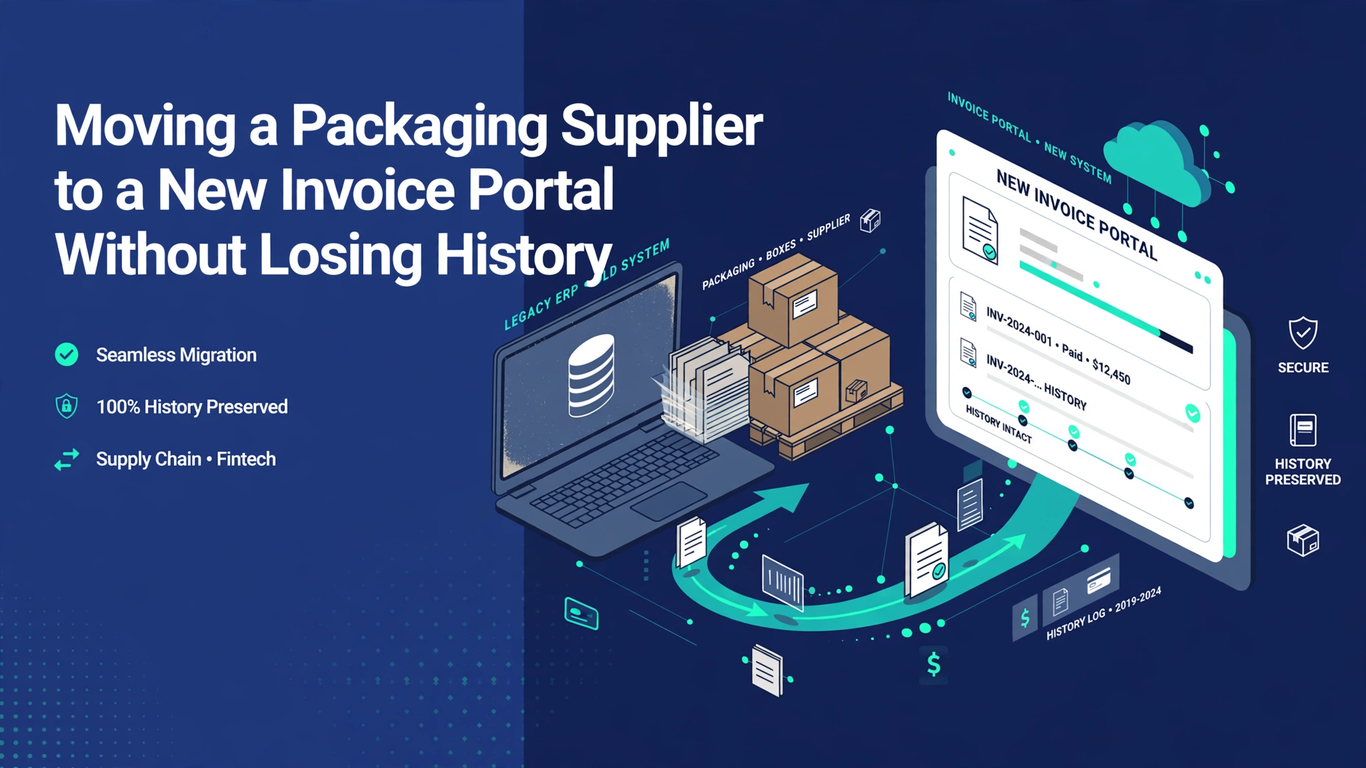
Moving a Packaging Supplier to a New Invoice Portal Without Losing History

Introduction

A packaging manufacturer wants its suppliers off the classic invoice and payment pages and onto a unified portal. At Tech Leads IT, we see this as a service change, not a screen swap, and Oracle Fusion Financials Training covers it well. The busiest carton supplier is the real test, with open purchase orders, a rejected invoice and a two-year-old payment inquiry.

Invoicing rules stay the same, but search, saved habits and visible history change. Through Oracle Fusion Financials Online Training or an Oracle Fusion Financials Course, learners practice proving suppliers can track current invoices, know what older records won’t appear, and get help from support without exposing another supplier’s transactions. 

Why Oracle Fusion Financials Training Treats a Portal Move as a Service Change

Start with an inventory of real transactions. The payables lead picks examples that reflect how the carton supplier actually works: an invoice backed by a purchase order, a non-purchase-order invoice if the business permits one, a saved draft, a rejected invoice that can be corrected, a canceled item, a paid invoice, and a payment that covers several invoices. For each case, the team writes down the expected fields, the actions allowed, the status, the attachments, the tax treatment and the security context. They also list which supplier contacts and sites each person is authorized to use.

That list becomes the acceptance script in a nonproduction environment. It matters because tests tend to drift toward clean invoice entry, while correction, inquiry and payment questions are what generate most support calls later. The two-year-old inquiry goes into the script on purpose. Search scope has to be explained before a supplier decides that a missing result means a deleted transaction.

It also helps to name owners early. Someone on the payables side owns the supplier relationship, someone technical owns the environment, and someone in the service desk owns the first response. When those roles are written down before testing begins, defects get routed quickly instead of bouncing between teams. Anyone going through Oracle Fusion Financials Training will see the same pattern in other modules: the cases people skip in testing are the ones that show up as tickets in the first week.

How Oracle Fusion Financials Online Training Shapes the Supplier Journey Tests

The supplier starts by choosing the right supplier context and finding an eligible purchase order. The tester checks that the lines and schedules open for invoicing match the order and the receipt evidence. Then comes the invoice itself: enter the details, attach the required document, calculate tax where it applies, review the totals and submit. A second script covers the permitted invoice without a purchase order, including the requester and remittance details.

The team checks status after submission instead of assuming that a confirmation screen means approval or payment. That sounds small, but it is where suppliers most often form wrong expectations. The scripts also cover saving and resuming a draft, deleting a draft where the rules allow, and correcting and resubmitting the rejected invoice.

Every result is compared with the existing validation and approval design. A new layout should never be described to suppliers as a new policy, and a friendlier status badge is not permission to get around an unresolved hold. If a hold is still in place, the supplier needs to see that for what it is and know who to contact.

This is where Oracle Fusion Financials Online Training earns its keep for a project team. Learners who practice submission, hold, correction and payment flows in a sandbox build a useful habit: asking what the system will actually do next, not what the screen seems to promise. That habit is the difference between a rollout that was demoed and one that was tested.

What the Guidance Says About Search and Transition Limits

The feature guidance, Redwood Supplier Portal Invoice Submission and Status Tracking, describes one entry point for Invoices and Payments, with a separate tab for each activity. It says existing payables rules, validations, purchase-order matching, approvals, tax calculation, payment processing and supplier security keep applying once the experience is turned on.

It also lists transition details that affect planning. Indexed supplier search covers a rolling twelve months. Classic saved searches are not carried over. Older transactions stay in the underlying application even though they do not appear in the new search results.

For the manufacturer, those boundaries shape both testing and support. The two-year-old payment has to be researched through an authorized alternative process. Current transactions, meanwhile, can be found through keyword search, filter chips, the filters panel and sortable results where available.

Search deserves its own lesson. A supplier’s buyer may remember an invoice number but not the date, while an accounts clerk may search by amount, payment number or status. Testers try realistic keyword and filter combinations inside the supported window and note which fields return reliable results. Then they show that a transaction older than twelve months can still exist even when indexed search does not return it.

Older inquiries go to a controlled historical-research channel, with only the minimum reference details. The team should also collect any classic saved searches that suppliers depend on and turn their purpose into repeatable filter steps. A short quick-reference guide can cover common goals, such as finding rejected invoices or payments issued in a given period.

Protect Supplier Context and Access

Security testing should use real role patterns without copying production secrets. A contact authorized for one supplier site must not see invoices or payments from another site just because a search term matches. If a person represents more than one supplier relationship, the selected context decides what is visible, and the screen should make that context easy to understand.

The team records both positive and negative tests: what the contact can find, what must stay hidden, and what changes after switching context. A good negative test is simple. Search for an invoice number that belongs to a different site and confirm that nothing comes back. The team also confirms that remit-to bank details and tax identifiers appear only for appropriately authorized users.

The briefing to suppliers should say the next part plainly: check your selected context before reporting a missing invoice. That is more useful than telling people to keep searching, and it gives the service desk a diagnostic sequence that does not begin by asking for screenshots full of sensitive data.

What an Oracle Fusion Financials Course Teaches About a Gated Cutover

Before production enablement, the technical owner confirms prerequisites, search initialization, profile settings and environment constraints. One release-specific point stands out. The guidance says not to enable this experience in an environment where the web application firewall is enabled for that update, because required dependencies are not yet compliant.

The team should check its actual update and environment state rather than copying that condition into a permanent rule. If it applies, cutover stops and follows the vendor-supported path. Switching off a security control to get around it is not an acceptable workaround.

The go-live decision also needs completed supplier tests, documented defects, approved communications, a ready service desk and a named owner for rollback or escalation. Those checks turn enablement into an accountable business change instead of one administrator flipping a switch. A solid Oracle Fusion Financials Course treats this gate as part of the subject itself, because configuration knowledge is only half of the job.

Communications should describe what suppliers will do differently on day one: the unified navigation, the two tabs, the current search tools, the twelve-month indexed window, the loss of classic saved searches and the route for older inquiries.

During the first week, payables monitors failed submissions, rejected corrections, attachment questions, context-selection errors and payment-status inquiries. When a current invoice cannot be found, support checks supplier context, date, identifiers, indexing readiness and underlying transaction status before suggesting anything else. Duplicate entry is a risky answer to a search problem. A short daily review separates training gaps from configuration defects and gives each issue an owner, while keeping the supplier’s original evidence intact.

Conclusion

A supplier portal transition works when everyday work stays controlled and anything that changes is spelled out. Invoice, correction, payment, security and search cases should pass before enablement. Supplier context must keep protecting access, and the rolling search window is not record retention. Oracle Fusion Financials Training helps teams build discipline.

Older items need an authorized inquiry route, and users need replacements for their saved searches. Through Oracle Fusion Financials Online Training or an Oracle Fusion Financials Course, the lesson holds: a migration is finished when suppliers complete tasks and staff can investigate exceptions without duplicating invoices or weakening access. 

What Are the Most Common Oracle Fusion Technical Project Tasks for Freshers?

Introduction

Your first Oracle Fusion project can feel like stepping into a busy kitchen, where everyone knows the layout and you are still hunting for the knives. Many beginners choose Oracle Fusion Technical Training in Pune with Soft Online Training to see what real project work looks like before joining a live team. The encouraging part is that fresher tasks follow familiar patterns, so the first few weeks feel far less intimidating.

New consultants rarely make architecture decisions. They usually get small, clearly defined jobs that keep the team moving while they learn the system. Here are the tasks you are most likely to meet. 

Data Loading and Conversion Tasks

Data loading is the task freshers see most often, because every implementation needs suppliers, customers, employees, items, or opening balances in place before anyone can use the system. For finance and supply chain, that means filling FBDI Excel templates with cleaned data, generating the zip file, uploading it, and running the import. For HR, you prepare pipe-delimited files for HCM Data Loader.

It sounds simple, but the details matter: mandatory columns, date formats, lookup values, and error logs. A rejected row is not a failure, it is a clue. Oracle Fusion Technical Training in Pune lets you practice with sample templates and deliberate errors before a client is waiting.  

Building and Modifying Reports

The second most common fresher task is reporting. Business users always want one more report, or the same report with an extra column.

You will probably work with three tools. Oracle Transactional Business Intelligence (OTBI) handles quick, ad hoc analysis directly on subject areas. BI Publisher handles pixel-perfect, formatted output like invoices, payslips, and statutory documents. Many teams also use BI Cloud Connector (BICC) for pulling large volumes of data out for warehouses.

As a fresher, you might begin by cloning an existing BI Publisher report, adjusting the SQL data model, and updating the layout template. Another typical job is adding a field to an OTBI analysis or changing a filter. These tasks teach you how Fusion data is structured, and they build your confidence with SQL at the same time.

Writing SQL Queries for Validation

Hardly any project week passes without someone asking, ”Can you check if this data made it in?” That question usually lands on a technical fresher.

You will write SELECT queries against Fusion tables and views to confirm that loaded records match the source. You might compare counts, look for duplicates, or find transactions stuck in a particular status. These are not advanced queries. Joins, filters, grouping, and a good understanding of primary and foreign keys cover most of what you need.

The real skill here is learning which table holds which information. Seniors often keep a personal cheat sheet of useful tables, and you should start one too. Within a few months, it becomes your most-used document.

Working With Integrations and Web Services

Integration work is a step up, but freshers often get a slice of it. Typical small tasks include testing a REST API call in Postman, checking whether a SOAP web service returns the right payload, or monitoring an integration in Oracle Integration Cloud (OIC) and reporting any failed runs.

You may not design the integration, but you will likely be asked to test it. That means sending sample requests, reading JSON or XML responses, and documenting what worked and what did not. Understanding the difference between REST and SOAP, and knowing when each is used, will make your testing notes far more useful to the team.

Supporting Testing Cycles and Fixing Defects

Every project goes through multiple testing rounds, such as system integration testing and user acceptance testing. During these cycles, defects pour in, and technical teams share the load.

Freshers are often assigned the simpler defects: a report that shows the wrong total, a data load that failed for a specific record, or a template that misaligns a column. You reproduce the issue, find the cause, apply the fix in a development environment, and retest. Along the way, you learn how migration of changes between environments works, which is a skill that surprises many beginners with its importance.

Documentation and Technical Specifications

This is the least glamorous task and one of the most important. Teams rely on documents to remember what was built and why.

As a fresher, you might write technical design notes for a report, record the steps of a data load, or update a run book. Good documentation is clear, short, and written for someone who has never seen the work. It also forces you to understand what you built, which is a quiet form of learning.

If you want to stand out early, write documentation that your teammates actually use. That reputation travels faster than almost any technical skill.

Why Hands-On Practice Through Oracle Fusion Technical Training in Pune Matters

You may have noticed that every task above depends on practice more than theory. Reading about FBDI is easy; staring at a failed import with fifty error rows and fixing them one by one is where learning actually happens.

Quality Oracle Fusion Technical Training in Pune gives you a safe place to make those mistakes. You can load data into a practice instance, build a report from scratch, call a REST endpoint, and troubleshoot your own errors without the pressure of a client deadline. By the time you reach a real project, the tasks feel familiar rather than frightening.

A few habits help regardless of where you train:

  • Keep a notebook of errors you have solved and how you solved them.
  • Build a small set of reusable SQL queries.
  • Ask questions early, but bring what you have already tried.
  • Learn the business meaning behind the data, not just the technical steps.

Final Thoughts 

Fresher tasks in Oracle Fusion technical projects are not random. They revolve around loading data, building reports, validating with SQL, testing integrations, fixing defects, and writing things down. Master these six areas and you will have a strong foundation for any technical role in the Fusion ecosystem.

If you want guided practice with real scenarios, Soft Online Training offers structured learning that helps beginners move from classroom concepts to project-ready confidence. Pair that with steady hands-on effort and a curious attitude, and your first project will feel like the start of something you were prepared for. Whether you take Oracle Fusion Technical Training in Pune or learn online, the key is to practice the tasks that teams actually give new joiners. 

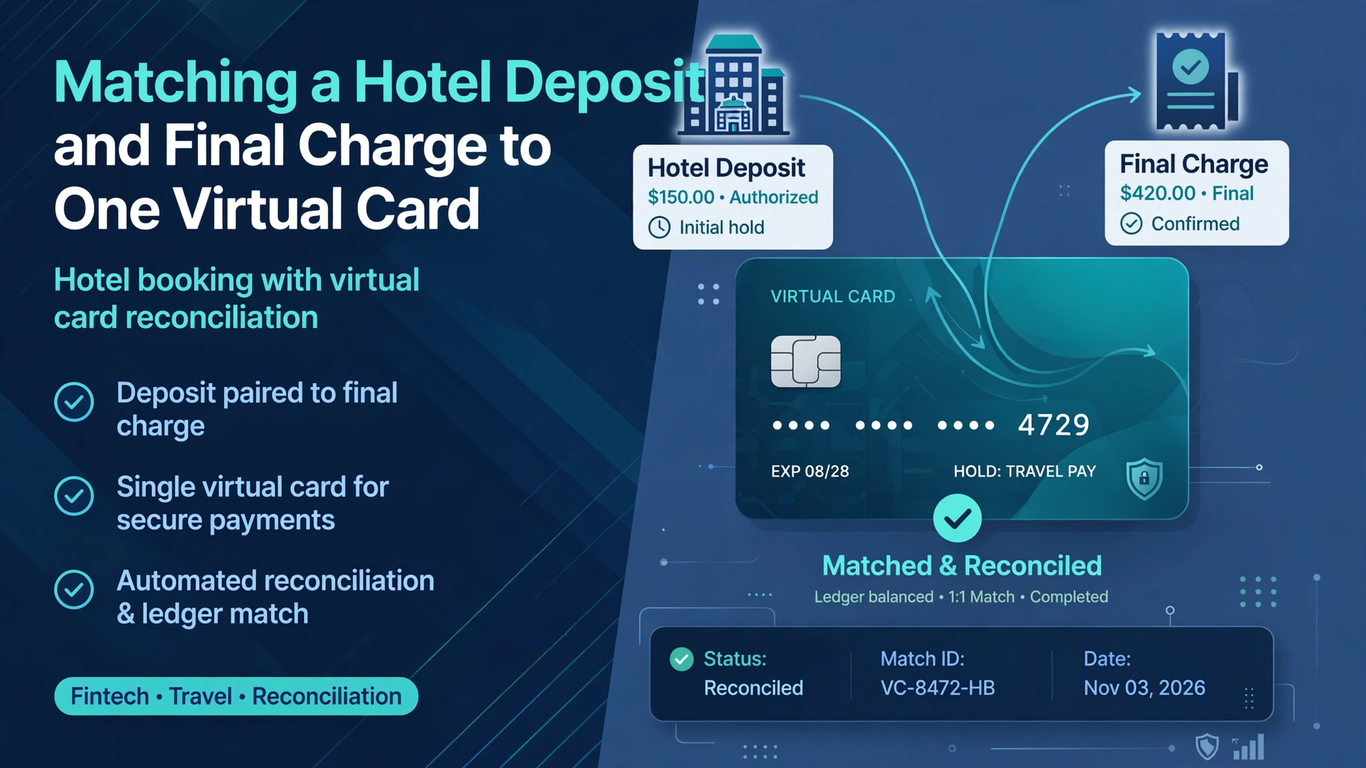
Matching a Hotel Deposit and Final Charge to One Virtual Card

Introduction

Imagine a travel coordinator booking twelve hotel rooms for a regional training week. At Soft Online Training, we use this kind of case to show how payment reconciliation works. The hotel charges a 30 percent deposit in March on one virtual card, then collects the balance after checkout in April.

The March deposit looks finished, and the April balance looks like a strange second charge. If you are exploring Oracle Fusion Financials Training in Pune, learn to follow the payment reference and running total instead of expecting one settlement line. Keep both events visible and dated, and wait for evidence first. 

Build the Case File First in Oracle Fusion Financials Training in Pune

Before any statement line shows up, write down what you expect. Record the booking identifier, hotel invoice number, original payment amount, virtual-card payment reference, expected deposit, expected balance, service dates, and the employee responsible for the stay. In this example the approved invoice is 24,000 units: 7,200 for the deposit and 16,800 for the balance.

Add a short note that the hotel may settle the card in stages. That note doesn’t prove any charge is correct. It simply gives the reviewer something to measure incoming lines against. Link supporting documents through controlled records, and keep card details out of notes and spreadsheets.

When the 7,200 deposit arrives, look past the amount. Check the payment reference, supplier, transaction date, currency, booking evidence, and authorization context. A matching reference is strong evidence, but pause if the hotel name differs noticeably, the currency has changed, or the deposit is bigger than the agreed percentage.

Log the deposit as its own settlement event with its statement date. Resist the urge to mark the 24,000 payment fully reconciled just because the first line is valid. Another 16,800 is still expected, and anyone reviewing the case at month-end should be able to see that at a glance.

Treat Each Settlement as Evidence

The guidance called Virtual Card Reconciliation with Multiple Settlements is scoped to the integrated J.P. Morgan virtual-card solution and to statements received through the J.P. Morgan virtual-card program. It explains that statement lines sharing the same virtual-card payment reference are recorded as separate lines rather than rejected as duplicates. A payment manager can review them, and the payment becomes fully reconciled for statement purposes once their combined value reaches the payment amount. It also allows for lines arriving in different billing cycles.

Applied here, the March deposit and the April balance stay as two distinct records under one reference. The event trail is protected, and the cumulative total is what establishes completion. None of this removes the need to investigate an unexpected line, a conflicting currency, or a total that goes over the approved payment.

At checkout, the hotel captures 16,800 against the same card. Confirm that the line carries the same payment reference, and that the final invoice supports the amount after room changes, taxes, cancellations, or incidental exclusions. Add 7,200 and 16,800 and you get the approved 24,000, so the statement-side payment can move to fully reconcile if the other controls hold.

Keep both settlement dates. Collapsing them into one synthetic event would hide the billing-cycle boundary. And if the second line had been 17,100 instead, the reviewer should hold completion, pin down the 300 difference, and ask for corrected evidence or an authorized adjustment.

Investigate Exceptions Without Guessing, a Habit Oracle Fusion Financials Training in Pune Should Build

Not every repeated reference is a legitimate split settlement. Say an extra 7,200 line appears two days after the deposit. Don’t delete it as a duplicate, and don’t accept it just because the reference matches. Compare statement identifiers, processing dates, amounts, hotel documentation, and any reversal activity.

Ask the practical questions. Did the hotel submit the deposit twice? Is one line a pending event that is later finalized? Is a correction still on its way? Put the questionable line into a review status that stops it from clearing early, and escalate through the card program and supplier contacts using approved channels, sharing only the minimum transaction data. The resolution should follow documented evidence, not a comfortable assumption about how hotels usually handle deposits.

Timing needs the same care. The March close may hold a valid deposit with no April balance yet, so your aging view should separate an expected later settlement from unexplained inactivity. Set a review date tied to checkout and the supplier’s stated capture practice. If the balance is still missing after that date, confirm that the stay happened, check whether the final invoice changed, and find out whether the hotel released or replaced the authorization.

Don’t clear the residual just to shorten an open-items report. Equally, don’t call a normal cross-cycle balance overdue before the agreed window has passed. A brief status note with an owner, next action, and evidence date helps a second reviewer understand the open amount without a long explanation.

Turn the Lesson Into a Monthly Control After Oracle Fusion Financials Training in Pune

A good monthly control groups statement lines by payment reference and compares their cumulative amount with the approved payment. It should surface in three conditions: below total, equal to total, or above total.

In the hotel case, below total is expected right after the deposit, but it still needs an owner and a follow-up date. Equal to total supports completion once the document checks are done. Above total calls for immediate exception review.

The report should keep line-level dates and amounts so reviewers can see how the total was reached. Access should be role-based, and any change to a status or mapping should be auditable. Sample testing can then confirm that staff didn’t dismiss legitimate split lines as duplicates, or combine unrelated charges because their descriptive fields looked alike.

Conclusion

A hotel payment is reconciled safely when the deposit and balance stay visible as separate settlements, share the verified payment reference, and together equal the approved 24,000. Reach that conclusion only after checking the supplier, currency, dates, invoice support, and any reversals or adjustments in between.

A different billing cycle is a timing fact, not an error, and a repeated reference is a clue, not proof. That is the habit Oracle Fusion Financials Training in Pune builds: preserve each event, compare the running total with the authorized payment, investigate anything that deviates, and document why the final status is justified. 

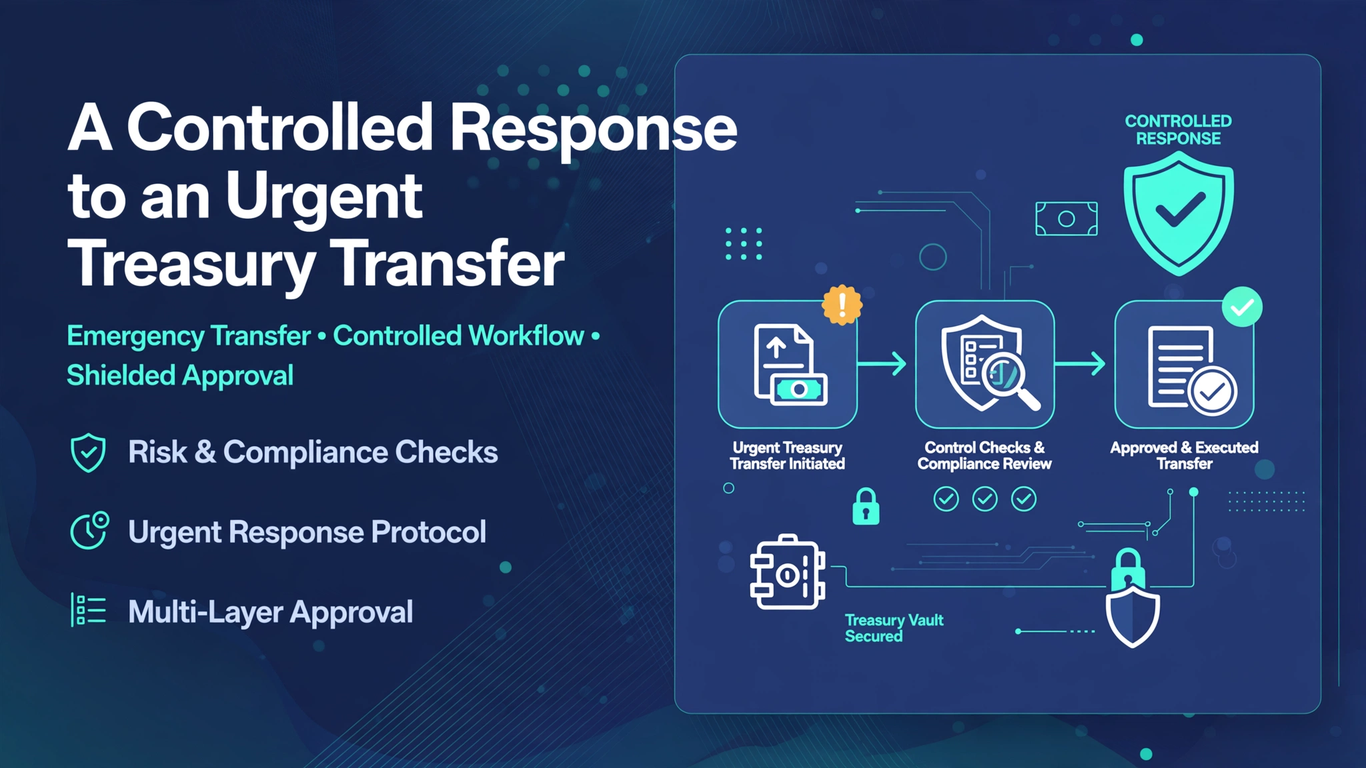
A Controlled Response to an Urgent Treasury Transfer

Introduction

At 10:15 a.m., a regional operating account is heading for a shortfall before a same-day payroll file settles. At Tech Leads IT, we treat this as a governance question first, and it is a scenario worth working through in any Oracle Cloud Financials Online Training program. The treasurer wants an emergency transfer from the central concentration account, but the payments lead has to decide whether the clock justifies skipping usual checks. 

It doesn’t. Anyone doing Oracle Cloud Financials Training Online will learn that speed matters only when the instruction is verified, the destination comes from trusted records, and an independent person reviews it. The safest path is a controlled exception that leaves a reviewable trail without exposing confidential details in transaction notes. 

What Oracle Cloud Financials Online Training Should Teach About Emergencies

A good Oracle Cloud Financials Online Training session doesn’t stop at which button creates a transfer. It asks what has to be true before anyone presses it.

Start with facts, not chat messages. Treasury writes down the forecast deficit, the expected payroll debit, the amount needed to restore the approved buffer, and the latest safe release time. The preparer checks the destination against the maintained bank account record, never against account numbers pasted into an urgent email. The approver confirms the funding account can absorb the transfer without creating a new shortfall somewhere else.

One rule matters more than the rest: if the amount, value date, currency, or destination changes after review, the earlier approval is stale. Review it again. That keeps the emergency narrow, and it gives the team an honest reason for acting outside the normal schedule. Urgency explains the timing. It never turns an unverified instruction into an acceptable one.

Keep the Callback Separate From Transaction Entry

Before release, a second employee makes a callback. The phone number comes from the organization’s trusted directory, not from the transfer request. This person reaches the designated treasury authority, reads the destination back in masked form, and confirms the amount, currency, value date, and purpose. The outcome goes into the evidence record the company already uses.

Some things should stop the transfer cold: a failed call, an unfamiliar voice, pressure to skip normal channels, or a sudden request to use a different account. When any of those appear, pause and escalate.

The callback record can hold the verifier’s name, the time, the outcome, and an internal reference. It should never hold passcodes, security answers, full account numbers, or recorded secrets. Also remember that the callback is an operating control that lives outside the payment fields. Typing a note into a memo neither performs the callback nor enforces it.

Why Roles Stay Distinct, Even Near the Cutoff

When the deadline is close, it’s tempting to let one person do everything. Resist that. The preparer creates the transfer. The callback verifier confirms the instruction independently. An authorized approver judges both the liquidity need and the control evidence before anything is released.

Small teams sometimes can’t staff all three roles. In that case a documented alternate can combine limited duties, but only under an approved contingency plan, and someone outside the event should review it promptly afterward.

The approver’s job is real comparison, not box-ticking. Check the beneficiary bank account, amount, currency, date, and payment purpose against the confirmed instruction. A field that merely contains a value proves nothing. Screenshots are weak evidence too, since they can hide edits and context. A linked case reference, the approval history, the call back record, and the transaction identifier together tell a much clearer story, and they remove the temptation to paste sensitive material into free-text fields.

Using Payment Attributes Carefully in Oracle Cloud Financials Training Online

Anyone taking Oracle Cloud Financials Training Online will eventually meet the guidance titled Additional Governance for Bank Account Transfers and Ad Hoc Payments. It explains that attributes such as service level, delivery channel, and payment reason can be captured for bank account transfers and ad hoc payments. Which ones are available depends on the payment format, and they are optional when settlements are used.

The same guidance describes initiating transfers in the source bank account currency as a controlled-release capability. It requires a service request. It also notes that the Memo field can carry extra transaction context.

In our payroll scenario, the team should pick only the attributes the chosen format supports. The memo can hold a short internal case reference and a plain, non-sensitive purpose statement. These fields make the transaction easier to read and review later. They do not prove the callback happened, and they are no replacement for approval.

Currency, Channel, and the Cost of Moving Fast

The central account and the regional account are denominated in different currencies, so currency deserves its own look. The team should settle a few questions before release. Does policy allow initiation in the source account currency? Has that controlled capability actually been enabled? Who carries the conversion timing and rate effects?

If the capability hasn’t been enabled, a payroll emergency is the wrong time to experiment in production. Use an approved route instead, or escalate to the designated contingency owner.

Service level and delivery channel deserve the same honesty. Choose them for the real cutoff, not because they happen to be the fastest option on the screen. A faster channel can change fees, settlement timing, rejection handling, and the chance of recalling a payment. The reviewer should confirm the route makes operational sense and that the receiving account can accept the resulting currency treatment.

The Final Stop Check Before Release

Right before release, the approver runs a short stop check, and each question needs a real answer:

  • Has the payroll exposure been recalculated?
  • Does the transfer amount still fit that exposure and the approved buffer?
  • Was the callback completed through a trusted contact path, and does it match the instruction details now on screen?
  • Are service level, delivery channel, payment reason, currency, and memo appropriate for the format and policy?

Reject unexplained blanks where policy requires information, but don’t invent values for fields that are optional or unavailable. Respect approval limits and any dual approval requirement as well.

And if the cutoff passes during review, reassess instead of releasing out of reflex. The channel, the value date, and the whole benefit of the transfer may have changed by then.

Monitor, Reconcile, and Learn Afterward

A ”submitted” status isn’t the finish line. After release, treasury watches for acceptance, settlement, and the expected balance effect. The payments lead matches the transaction identifier to the bank response and looks out for rejections, repairs, duplicate submissions, or a currency amount that doesn’t look right.

Once the regional account is funded, confirm that payroll settles and that the remaining balance matches the revised forecast. If a duplicate attempt slips through, stop it through the approved bank process. Don’t patch it with an improvised off setting payment.

By the next business day, an independent reviewer reconciles both accounts and goes through the emergency case. The goal is to tell a justified exception apart from a process weakness, record any control failure, and assign corrective action. Nobody should rewrite the original evidence or blur who made each decision.

Conclusion 

An urgent transfer works out best when speed and control pull in the same direction. A documented forecast proves the need, maintained bank data anchors the destination, and an independent callback confirms the instruction. Keeping preparation, approval, release, monitoring, and reconciliation with different people stops one mistake from turning into a loss. Anyone taking Oracle Cloud Financials Online Training should remember that memo fields and payment attributes add context, but they never prove the callback happened.

In Oracle Cloud Financials Training Online, this scenario teaches one habit above the rest: plan the exception before the crisis. Stop when key facts change, never assume source-currency initiation is enabled, and keep enough non-sensitive evidence for a reviewer to rebuild the decision. 

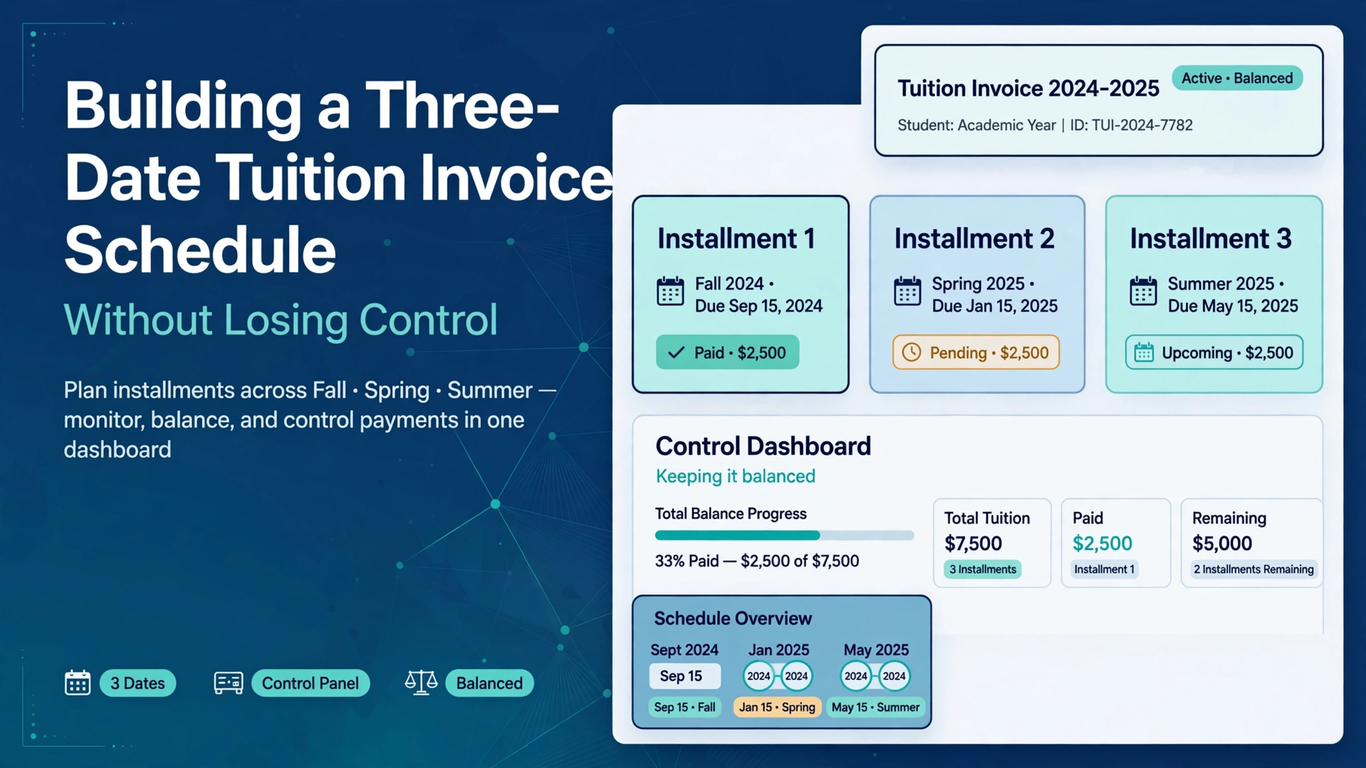
Building a Three-Date Tuition Invoice Schedule Without Losing Control

Introduction 

A university customer wants to pay one tuition invoice in three parts, matching grant releases in September, November, and January. At Tech Leads IT, we tell learners in our Oracle Fusion Financials Training sessions not to void the invoice or create three new ones. Keep the original amount and reshape the payment schedule through the REST interface instead.

The call is easy; the checks matter more. Whether you learn it through Oracle Fusion Financials Online Training or an Oracle Fusion Financials Course, get the customer’s written request, confirm the transaction date, review receipts and credits, and settle the three amounts. 

Plan the Schedule First, the Way Oracle Fusion Financials Training Encourages

Say the invoice total is ninety thousand monetary units and the university proposes thirty thousand on each date. Treat that as a draft specification, not as permission to touch the record. The first job is arithmetic: the three amounts must add up to the transaction total exactly. Then check the calendar, because all three dates have to fall on or after the original transaction date. Write down which existing installment stays and which ones need to be created.

If the customer wants uneven amounts, keep the approved figures and run the same control-total check. And don’t quietly shove a rounding difference into the last installment unless someone has agreed to that rule. A single unit of mismatch can make the request fail. A wrong date is sneakier, because it can misstate when a balance should start showing up in collections follow-up.

Also ask who owns the decision. If the request came through a sales contact rather than the finance office, get written confirmation from someone who can actually commit the university to those dates.

Good Oracle Fusion Financials Training spends real time on this habit of defining the outcome before touching the system. It feels slow in a classroom exercise. On a live receivables ledger with a customer waiting, it is what separates a clean change from a cleanup project.

Why Rescheduling Is Not the Same as Reissuing an Invoice

It helps to be clear with everyone involved about what is actually happening. The university is not asking for a new bill. It is asking for a different rhythm of payment on a bill that already exists. That distinction shapes every decision after it. Voiding and recreating the invoice would break the history that auditors, collectors, and the customer’s own accounts payable team rely on. Creating three small invoices would split one agreement into separate debts, each with its own transaction number, and make reconciliation harder for everybody. Rescheduling keeps one invoice, one total, one trail. The installment schedule changes; the receivable doesn’t.

Explaining this to the customer early also saves trouble. A university finance office may match your invoice number against its grant records, and a new number can stall their own approvals. When the original number survives, their records still line up with yours, and the conversation stays about dates and amounts instead of paperwork.

Read the Current State Before You Write Anything

Start with a GET request that finds the invoice and returns its installment details. Don’t lean on the transaction number alone for the write. Keep the internal invoice identifier, each installment identifier, and the sequence information that comes back. Then compare the response with your schedule specification and with the balance the account shows on screen. Put the identifiers in your working notes right away; it is much easier to review a request later when the evidence of what you saw sits beside what you sent.

This read can surprise you. A receipt may have been applied after the university sent its request. An installment may have closed. Another user may already have nudged a due date. When the response doesn’t match your assumptions, stop and recalculate. Forcing the original plan onto a changed record is how small mistakes get made.

Timing matters too. Keep the retrieval and the proposed change close together. The interface may not offer a business lock that removes every concurrency risk, so an old snapshot can turn a valid-looking schedule into the wrong decision. Think of the GET as a photograph of a moving street: useful only if you act before the traffic changes.

Apply the Split with Explicit Controls in Oracle Fusion Financials Online Training

The Oracle guidance titled Receivables Invoice Installment Creation Using a REST API describes a two-stage pattern. Use GET to find the invoice, installment identifiers, and sequence. Then call the split Installments custom action, which can create a new installment or update an existing installment’s amount or due date. In the university case, build the request from verified identifiers, not hand-typed substitutes. Spell out each intended amount and date, and make sure every new installment amount is greater than zero. The whole schedule, retained installment included, must equal the invoice transaction amount. You are reshaping one controlled balance, not adding a second debt.

This is the kind of exercise that works well in Oracle Fusion Financials Online Training, because learners can see the request, the rules, and the result side by side. Before submission, have a second person or an automated rule compare outgoing amounts, dates, identifiers, and installment count with the approved three-part request. 

Some conditions should make you stop. A closed installment can’t be changed or deleted. An existing installment amount can’t drop below what has already been applied, so if thirty thousand is partly settled, the revised amount still has to cover it. The split isn’t available for certain states or categories, including incomplete items, items pending approval, balance-forward bills, and bills receivable. And no created or revised due date can fall before the transaction date.

Don’t work around these limits by creating disconnected records just to satisfy the requested calendar. Explain that the current state blocks the REST change, identify the legitimate process to resolve the state, and reassess afterward. The controls protect accounting meaning, even when they delay a customer-friendly schedule.

Check With Collections Before You Change an Installment

Updating an existing installment can cancel open promises tied to it in advanced collections. Picture a collector who spoke with the university last month and logged a promise to pay in full in October. If the installment changes underneath that note, the promise may disappear without anyone telling her.

So before changing anything, ask the collection owner whether an open promise exists and whether the new written request replaces it. Keep evidence of that decision in the normal case record. Don’t assume the API response tells the whole business story.

Afterward, the collector may need to set up a new promise through the proper process, but only if policy and the customer’s commitment support it. This small conversation prevents a strange split: receivables show the new schedule while collection staff chase an arrangement that no longer exists. It keeps all three dates tied to one accountable conversation, so technical success doesn’t erase useful context. 

Verify the Result, Not Just the Response

A successful response means the service accepted the request. It doesn’t mean every business requirement was met. Run a fresh GET and inspect every installment. Confirm that the three intended lines exist, that the sequence makes sense, and that each amount and due date matches what the university approved. Add up the returned values and compare the sum with the transaction amount. Check that applied amounts are still supported and that no closed line was disturbed. A simple habit helps: keep a small worksheet with the approved plan on the left and the returned installments on the right, then tick off each row.

If the service produced an unexpected sequence, or kept a line you assumed would disappear, investigate before telling the customer anything. Save the request reference, response status, and post-change verification in the audit record, without unnecessary personal or payment information. This read-back catches mapping errors and stale-data decisions that a technically successful action may not make obvious.

Then look at what the customer and your own team will actually see. The account should show September, November, and January obligations while the original invoice total stays the same. Confirm that collection work uses the revised dates, and alert the assigned collector if an open promise was canceled. The customer message should list the three agreed amounts and dates, refer to the existing invoice, and avoid suggesting the transaction was reissued. It was rescheduled, nothing more.

If verification fails, resist patching values over and over. Re-read the current installments, work out whether a safe correction is allowed, and follow the exception procedure when it isn’t. Controlled recovery beats hurried updates, especially near a due date when receipts, credits, or approval changes can arrive between calls.

What an Oracle Fusion Financials Course Should Leave You With

For this university schedule, a good outcome is more than three lines on a screen. The team retrieves identifiers, confirms eligibility, respects closed and applied balances, sends positive amounts and valid dates, and proves that the returned installments equal the transaction total. It talks to collection staff, because revising an installment may cancel an open promise. And when an eligibility, concurrency, or verification question stays unresolved, it pauses and uses the exception path instead of guessing.

That sequence is worth memorizing: read the current state, validate the schedule, apply the supported custom action, read the result again, and communicate only what was verified. Anyone working through an Oracle Fusion Financials Course should be able to walk through it without notes. Done well, it gives the university a practical payment arrangement while preserving the original receivable and the evidence you need for later account decisions. The same discipline applies to the next split, whether it has two installments or six. 

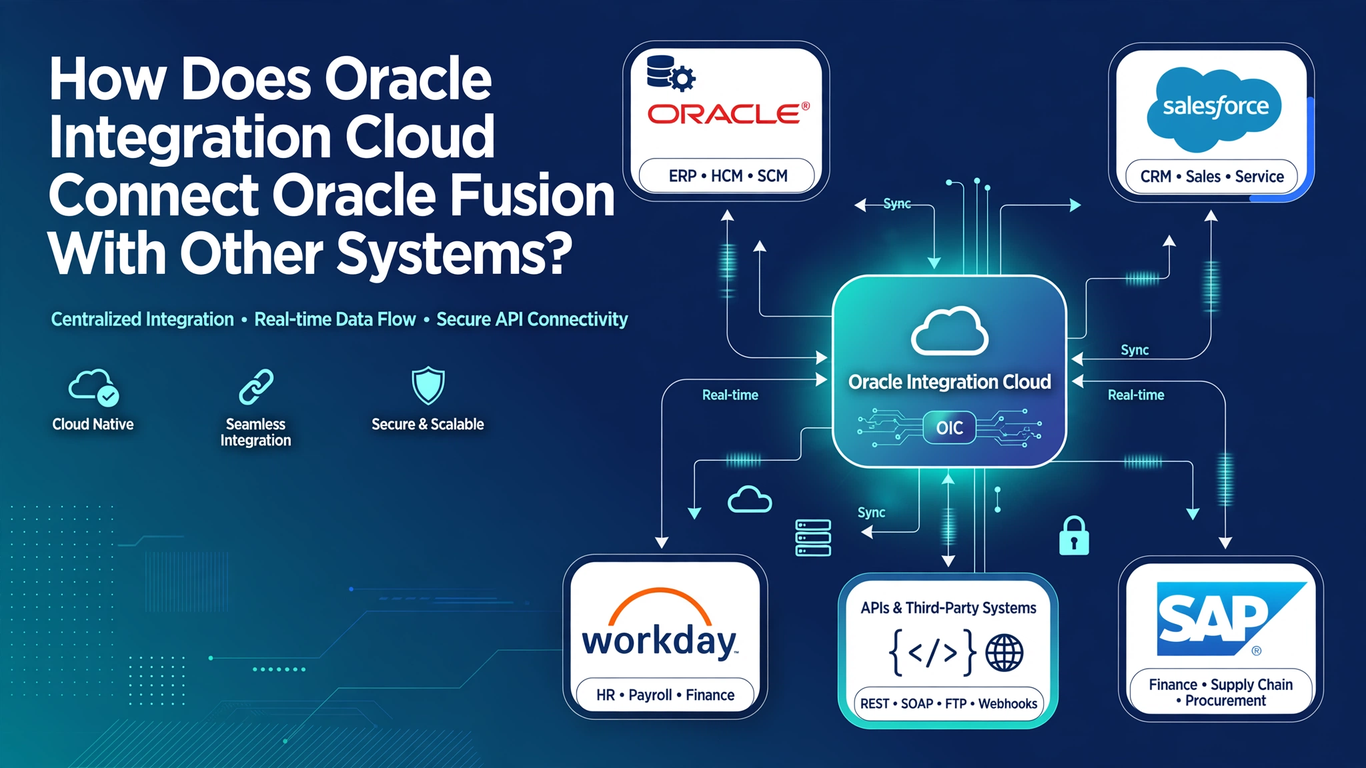
How Does Oracle Integration Cloud Connect Oracle Fusion With Other Systems?


Introduction

Almost no company runs on a single application. Learners who join Oracle Fusion Technical Training in Chennai at Soft Online Training often ask how Oracle Fusion shares data with banks, payroll vendors, CRMs, and custom apps without anyone re-keying it by hand. The answer is Oracle Integration Cloud, or OIC. It sits between Oracle Fusion and the rest of the business, moving data, translating formats, and kicking off the next step automatically. Here is how it works, in plain terms. 

What Oracle Integration Cloud Actually Does

Think of OIC as a translator and traffic controller. Oracle Fusion speaks in its own business objects: invoices, journals, workers, purchase orders. A bank might expect a flat file. A web store might send JSON. A legacy system might only understand SOAP. OIC receives a message from one side, reshapes it so the other side understands, and delivers it, all inside a flow you design visually.

Each flow is called an integration. You pick a trigger (an event, a schedule, or an incoming call), then add actions such as mapping fields, calling another system, looping through records, or sending a notification. Because the design happens in a browser canvas, a good part of the work is configuration rather than heavy coding. That is a big reason OIC became the standard integration layer for Fusion projects.

Adapters: The Connectors Behind Every Integration

The pieces that do the actual connecting are adapters. An adapter knows how to talk to one kind of system, so you do not have to hand-write every technical detail.

The Oracle ERP Cloud adapter and the Oracle HCM Cloud adapter understand Fusion’s own services, business events, and file-based import methods. Beyond those, OIC ships with adapters for REST, SOAP, FTP and SFTP, databases, email, and many third-party apps like Salesforce, ServiceNow, and Workday. When no prebuilt adapter fits, the generic REST adapter covers most modern systems, since nearly everything today exposes some kind of API.

Each adapter is configured once as a connection, holding the URL, security details, and credentials. Then you reuse it across many integrations. When a password changes, you update one connection instead of fifty flows.

Integration Styles You Will Meet in Oracle Fusion Technical Training in Chennai

OIC does not force one pattern on every problem. Anyone going through Oracle Fusion Technical Training in Chennai will see a handful of styles again and again.

App-driven orchestration reacts in real time. A request comes in, OIC calls two or three systems in order, applies logic in between, and returns a result. This suits things like validating a customer in one system before creating an order in another.

Scheduled integrations run at set times. A nightly job might pick up a file from an SFTP folder, read each row, and push the data into Fusion. Many bank statements and payroll loads work this way.

Event-based integrations start when something happens inside Fusion, such as a supplier being approved or an employee being hired. OIC listens for the business event and passes the details to whichever system needs them.

Prebuilt integrations and recipes are ready-made templates for common pairings. They give you a working starting point you can adjust instead of building from nothing.

Knowing which style fits a requirement is often more valuable than knowing every feature, because a wrong choice usually shows up later as slow, fragile processing.

How Oracle Fusion Sends and Receives Data Through OIC

Data moves in two directions, and the method depends on volume.

For small, real-time exchanges, OIC calls Fusion’s REST or SOAP web services. Creating a single invoice, reading a worker record, or updating a purchase order status are good examples. The calls are quick, and the response tells you immediately whether it worked.

For bulk work, files are the better route. OIC can build a file in the format Fusion expects, upload it to the right location, and then submit the import process through the ERP integration service. This is how large volumes of journals, invoices, or master data usually get in. Going the other way, OIC can pick up, extract or report output from Fusion and deliver it to a warehouse, a bank, or a partner.

Inside each integration, the mapper is where much of the real thinking happens. You connect source fields to target fields, apply conversions, handle dates and currencies, and set defaults. A surprising share of integration bugs trace back to mapping, so careful testing here saves a lot of pain.

Monitoring, Error Handling, and Real Project Habits

An integration that works once is not finished. It has to keep working on a Tuesday night when a file arrives half empty or a target system is down.

OIC has a monitoring dashboard showing every run, whether it succeeded or failed, and the payload at each step. When something breaks, you can open the failed instance, see exactly where it stopped, fix the cause, and resubmit it. You can also add fault handling inside the flow itself, for example catching an error, sending an email to the support team, and logging the failed record so nothing silently disappears.

Good teams build a few habits early: name integrations clearly, keep connections tidy, log meaningful identifiers like invoice numbers, and document what each flow expects. These sound small, but they decide whether support is calm or chaotic six months after go-live.

Why Oracle Fusion Technical Training in Chennai Should Include OIC Practice

Reading about integration only goes so far. The real understanding comes from building a flow, watching it fail, and tracing why. A solid Oracle Fusion Technical Training in Chennai program should therefore pair theory with hands-on labs: creating connections, building a scheduled file load, calling a Fusion REST service, mapping fields, and troubleshooting a failed run.

It also helps to understand how OIC fits with the rest of the technical toolkit. FBDI and HCM Data Loader handle bulk loading, REST and SOAP handle service calls, and OTBI and BI Publisher handle reporting. OIC is the layer that ties those together into complete business processes. Someone who can explain that bigger picture in an interview stands out quickly from someone who only knows one tool.

Conclusion

Oracle Integration Cloud connects Oracle Fusion to other systems through adapters, reusable connections, flexible integration styles, and a visual design canvas, with monitoring to keep everything running. It turns a collection of separate applications into one joined-up business process. If you want to build this skill with guided labs and real scenarios, Soft Online Training offers a practical path, and pairing it with focused Oracle Fusion Technical Training in Chennai gives you the hands-on confidence employers look for in integration roles.